Water Damage Insurance Claims Process Explained for Homeowners
A burst supply line, a failed water heater, or a washing machine hose that lets go can put water across your floors in minutes. Once the water is stopped, most Knoxville homeowners face the same next question: how does the insurance claim work?
This guide walks through the general process, from what a homeowners policy typically covers to how adjusters review a loss and what your options are if you disagree with a decision. One point matters throughout: every policy is different. Coverage depends on your insurer, the cause of the loss, your exclusions, deductibles and limits, and the facts of your situation. Your policy and your insurer are the final word on what is covered.
Hometown Restoration Group is a water damage restoration company. We are not an insurance company, public adjuster, or law firm, and we do not decide coverage or negotiate settlements. What we can do is stop the damage, dry your home properly, and keep clear records of the work.
What Does Homeowners Insurance Cover for Water Damage?
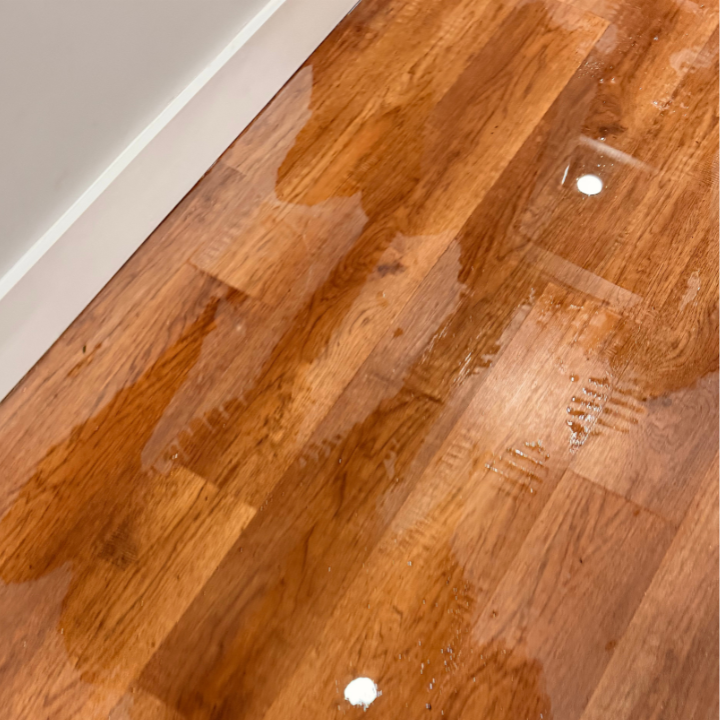
Most standard homeowners policies cover water damage that is sudden and accidental, such as a pipe that bursts or an appliance that suddenly fails. Damage that builds slowly over time, or that comes from outside water such as flooding, is usually treated differently. The exact wording in your policy decides how a specific loss is handled.
What Types of Water Damage Are Covered vs. Excluded?
The line between covered and excluded usually comes down to where the water came from and how quickly the damage happened. The categories below reflect how standard policies are commonly written, not a promise about any single policy.
Often covered under a standard policy, subject to its terms:
Water released suddenly from a burst or frozen pipe
Overflow or discharge from an appliance such as a water heater, dishwasher, or washing machine
Water that enters after a covered event damages the home, such as wind tearing open a roof during a storm
Often excluded or limited:
Flood. Standard homeowners policies generally exclude flood damage. Flood coverage is usually a separate policy through the National Flood Insurance Program (NFIP) or a private flood insurer.
Gradual leaks and seepage. A slow drip under a sink or a roof that leaked for months is commonly treated as a maintenance issue.
Sewer and drain backup. Many policies exclude this unless you added a water backup endorsement.
Mold. Mold coverage is often limited, and it may depend on whether the mold resulted from a covered water event.
The NFIP defines a flood as a general and temporary condition where two or more acres of normally dry land, or two or more properties (one of them yours), are partly or completely covered by water. A burst pipe flooding your basement does not meet that definition, even though it may look like a flood.
How Do Policy Triggers Like Burst Pipes and Appliance Leaks Influence Coverage?
Insurers look at the cause of loss, sometimes called the peril, before anything else. A pipe that freezes and splits during a cold snap is a sudden event, and the resulting water damage is often covered. The pipe repair itself may be handled differently from the damage the water caused.
Appliance failures follow similar logic. The water damage to floors, cabinets, and drywall may be covered, while the appliance that failed may not be. Maintenance can also matter. If a loss traces back to a leak the homeowner knew about and left unrepaired, or to a home left unheated in freezing weather, an insurer may limit or deny coverage. Read your policy's exclusions and conditions, or ask your agent, before assuming how a loss will be treated.
How Do You File a Water Damage Insurance Claim? Step by Step Process Explained
The exact process varies by insurer, but most water damage claims follow a similar path:
Make the home safe and stop the water at its source.
Report the loss to your insurer or agent as soon as you reasonably can. Many policies set a time requirement for reporting a claim, so check yours.
Document the damage with photos, video, and a written list.
Take reasonable steps to prevent further damage, and keep every receipt.
Meet with the adjuster your insurer assigns and share your documentation.
Review the insurer's estimate and settlement explanation, and ask questions about anything unclear.
If you will need to stay somewhere else while repairs happen, ask your insurer whether your policy includes additional living expenses (ALE) coverage and what records it requires.
What Are the Critical First Steps After Water Damage?
Your first priority is safety, then stopping the source.
Stay out of risky areas. Avoid standing water near outlets or electrical equipment, and do not enter rooms with sagging ceilings.
Shut off the water. Close the fixture valve or the main water shutoff if the source is a pipe or appliance.
Turn off power to wet areas if you can do so safely at the breaker panel. If not, call a licensed electrician.
Contact your insurer. Ask how they want the loss reported, whether they need anything before cleanup begins, and what your claim number is.
Protect against further damage. Moving belongings out of wet rooms and removing standing water are the kinds of reasonable steps policies typically expect.
In Knoxville, winter cold snaps and summer humidity both work against a wet home. The sooner water is removed and drying starts, the less time materials have to absorb moisture.
How to Document Your Damage for Accurate Claim Submission?
Good documentation gives your insurer a clear, accurate picture of what happened. Before you remove water damaged items, try to capture:
Wide photos and video of each affected room, then close shots of damaged flooring, walls, cabinets, and belongings
The source of the water, such as the split pipe or failed supply line, and keep the failed part if you can
A written list of damaged items with approximate age and where they were purchased
Receipts for anything you spend to protect the home, including emergency services, supplies, and temporary repairs
A simple log of dates, times, and who you spoke with at the insurance company
If possible, set damaged items aside so the adjuster can inspect them. Ask your insurer before throwing anything away, especially large items such as carpet or furniture.
Restoration records add another layer. During moisture mapping and assessment, technicians use moisture meters and thermal imaging to locate water inside walls, under floors, and above ceilings. Readings, photos, and daily drying logs can show where water traveled and how the drying progressed. You can share these records with your insurer if you choose.
How Do Insurance Adjusters Evaluate Water Damage Claims?
After you report a loss, your insurer typically assigns a claims adjuster to inspect the damage and estimate the cost of repairs. The adjuster works for, or on behalf of, the insurance company, and their findings help the insurer decide how the claim will be settled under your policy.
In general, an adjuster reviews three things: the cause of the water, whether that cause is covered under your policy, and the extent of the damage. They may also look at when the loss happened, whether there are signs of older damage, and what steps were taken to limit further damage.
What Should You Expect During the Adjuster's Property Damage Assessment?
Visits vary by insurer and by the size of the loss. Some smaller claims are handled with photos and a virtual inspection. During an onsite visit, an adjuster may:
Ask how and when you discovered the water, and look at the source
Photograph and measure affected rooms
Check walls, floors, and ceilings for moisture
Review your photos, item list, and receipts
Ask about any emergency work that has already been done
The adjuster's estimate is often prepared after the visit. Ask when you should expect it and how it will be sent to you.
How Should Homeowners Work With an Insurance Adjuster During a Water Damage Claim?
A cooperative, organized approach usually makes the process easier for everyone:
Be present for the inspection if you can, and walk the adjuster through every affected area.
Share your documentation, including photos, item lists, receipts, and any restoration records.
Answer questions accurately. If you do not know something, say so rather than guessing.
Ask questions. Ask what the estimate includes, how depreciation is handled, and whether anything is still under review.
Get key points in writing. Keep copies of emails, letters, and the final estimate.
Read your policy so you understand the deductible, limits, and any conditions that apply.
If you would like your restoration company to share moisture readings, photos, or a scope of the work with the adjuster, let both parties know. Coverage and payment decisions remain between you and your insurer.
What Factors Affect Water Damage Claim Settlements and Payouts?
Several parts of your policy shape how a covered claim is paid:
Coverage type: whether the policy pays actual cash value or replacement cost, and whether that differs for the structure and your belongings
Deductible: the portion of a covered loss you pay
Limits and sublimits: caps on certain categories, such as mold or water backup
Exclusions and endorsements: what the base policy leaves out and what you added
The cause and extent of damage, as documented and assessed
What Is the Difference Between Actual Cash Value (ACV) and Replacement Cost Value (RCV)?
Actual cash value (ACV) is generally the cost to repair or replace damaged property, minus depreciation for age, wear, and condition.
Replacement cost value (RCV) is generally the cost to repair or replace damaged property with materials or items of like kind and quality at today's prices, without subtracting depreciation.
How RCV is paid depends on your policy and insurer. A common approach is for the insurer to pay the ACV amount first. Once repairs or replacement are completed and documented, the policy may allow you to recover the depreciation that was held back, sometimes called recoverable depreciation. Many policies set conditions or deadlines for this step, so read yours closely or ask your agent how it works. Some policies cover the dwelling at replacement cost but personal belongings at actual cash value.
How Do Deductibles and Depreciation Impact Your Claim Amount?
Your deductible is generally subtracted from the amount the insurer determines is owed for a covered loss. If the covered damage is close to or below your deductible, there may be little or no payment.
Depreciation reduces the value of older materials and belongings. Under an ACV policy, depreciation usually stays deducted. Under an RCV policy, some or all of it may be recoverable once the work is done, depending on the policy terms. If an estimate lists depreciation you do not understand, it is reasonable to ask your adjuster how it was calculated.
What Happens if Your Water Damage Claim Is Denied or You Disagree With the Payment Amount?
A denial or a lower payment than you expected is not always the end of the process. Start by understanding the decision:
Ask for the reason in writing, including the policy language the insurer relied on.
Compare that reason with your policy and your own records of what happened.
Provide anything that was missing, such as photos, receipts, or a professional's findings about the cause.
Ask your insurer how to request reconsideration and whether any deadlines apply.
Some policies also include an appraisal provision for disagreements about the amount of a loss. Whether it applies, and how it works, depends on your policy.
In Tennessee, the Department of Commerce and Insurance (TDCI) regulates insurers, agents, and public adjusters. TDCI recommends presenting your complaint to the insurance company first. If you are not satisfied with the result, its Consumer Insurance Services team can review complaints, help with mediation, and enforce state insurance laws. You can reach Consumer Insurance Services at (615) 741-2218 or 1 (800) 342-4029, or file online through TDCI's website.
How Can You File a Supplement to Address Missed or Underestimated Damage?
Sometimes additional damage appears only after work begins, such as wet insulation behind a wall or damaged subfloor under flooring. A supplement is a request to the insurer to review costs that were not included in the original estimate.
The process and any deadlines depend on your insurer and policy, so contact your adjuster as soon as additional damage is found. A supplement request is generally stronger when it includes:
Photos of the newly found damage
Moisture readings or other findings that connect it to the original loss
A written description of the additional work and why it is needed
If restoration crews uncover hidden damage during drying or removal, they can document it and provide a written scope of the added work. Whether and how that work is covered is decided by your insurer.
When Should You Seek Public Adjuster or Legal Help for Disputed Claims?
If you cannot resolve a disagreement with your insurer, you may want professional help.
Public adjusters represent policyholders, not insurance companies, in preparing and presenting a claim. In Tennessee, public adjusters must be licensed by TDCI, and you can confirm a license with the department before you sign anything. Public adjusters charge for their services, so ask how they are paid and get the agreement in writing.
Attorneys can advise on your legal rights, policy interpretation, deadlines, and disputes. For legal questions about a Tennessee claim, speak with a licensed Tennessee attorney.
TDCI's Consumer Insurance Services can be a starting point if you believe your claim was not handled fairly.
Hometown Restoration Group does not act as a public adjuster or give legal advice, but we can provide the documentation from our restoration work if you or your representative request it.
Why Is Prompt Water Damage Mitigation Important During an Insurance Claim?
Most homeowners policies expect you to take reasonable steps to protect your property from further damage after a loss. Insurance regulators describe this as mitigation. Temporary repairs and emergency measures are often reimbursed as part of a covered claim, so keep every receipt.
Mitigation does not guarantee that a claim will be approved. Coverage still depends on the cause of the loss and your policy. What prompt mitigation can do is limit how far the damage spreads and create a clear record of what was done and when. If damage grows because a loss was left untreated, an insurer may treat that added damage differently from the original loss.
What Are the Best Practices for Immediate Water Damage Mitigation?
Depending on the extent and type of damage, professional mitigation may involve:
Emergency water extraction to remove standing water from floors, carpet, and subfloors
Moisture mapping and assessment to find water hidden in walls, ceilings, and flooring
Structural drying with air movers and dehumidification, monitored until readings show materials are dry
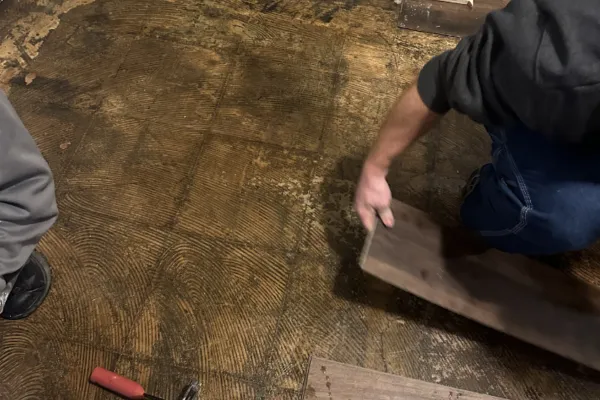
Removing materials that cannot be dried or cleaned safely, such as some saturated drywall, padding, or insulation
Documenting each step with photos, moisture readings, and drying logs
If you are handling initial steps yourself, keep the space ventilated, move belongings to a dry area, and photograph everything before it is discarded. Learn more about our full water damage restoration process.
How Do Water Contamination Categories Affect Restoration and Insurance Claims?
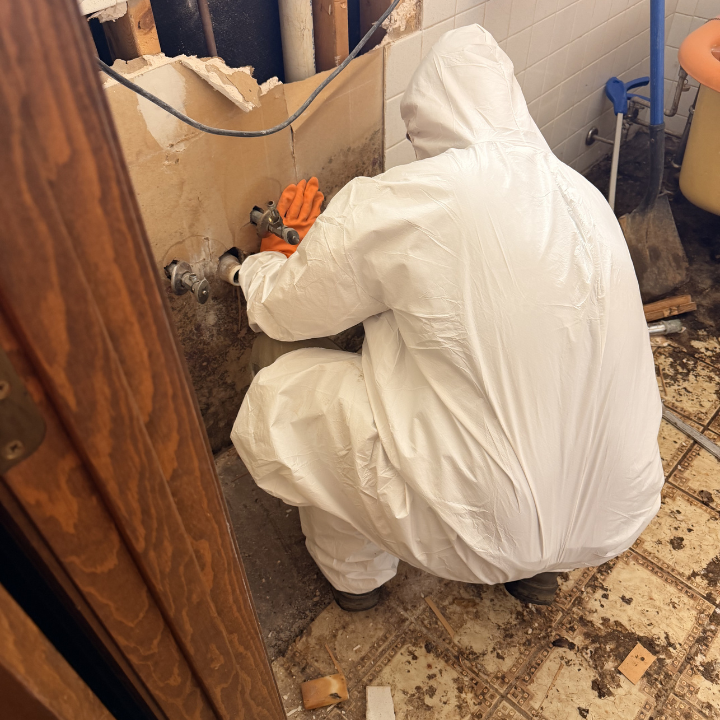
The restoration industry commonly uses the ANSI/IICRC S500 Standard for Professional Water Damage Restoration, which groups water into three categories by contamination level:
Category 1: water from a sanitary source, such as a broken supply line, that does not pose a substantial risk at the time of the loss
Category 2: water with significant chemical, biological, or physical contamination that could cause discomfort or illness if contacted or consumed
Category 3: grossly unsanitary water that may contain pathogens, such as sewage or floodwater from rivers and ground surface water
Categories can change. Clean water can become contaminated as time passes or as it contacts building materials and soil, and Category 2 water that is not removed promptly may be reclassified as Category 3.
The category affects the restoration plan. Contaminated water often means more material removal, cleaning, and protective equipment. On the insurance side, the source of the water usually matters more than the category itself. A sewage backup may depend on whether you have a water backup endorsement, and outside floodwater generally falls under flood insurance rather than a standard homeowners policy. If floodwater or sewage is involved, see our flood damage restoration and basement flooding services.
Need Help With Water Damage in Your Knoxville Home?
If water has reached your floors, walls, or ceilings, Hometown Restoration Group can help stop the damage and dry your home properly. Our local crew handles extraction, moisture mapping, and structural drying, and we keep detailed records of the work that you can share with your insurer if you choose. Questions about coverage, settlements, or your policy are best directed to your insurance company or a licensed professional.
Talk to Our Local Crew → +1 865-771-5880
Disclaimer: This article is for general educational purposes only and is not insurance, legal, or financial advice. Coverage and claim handling vary by policy, insurer, and individual circumstances. Hometown Restoration Group is a restoration company and does not determine coverage, negotiate settlements, or represent homeowners in insurance claims. For questions about your coverage or legal rights, review your policy and contact your insurer, agent, the Tennessee Department of Commerce and Insurance, or an appropriately licensed professional.